
Computer Vision Applications: The AI-Powered Eyes Seeing the Future
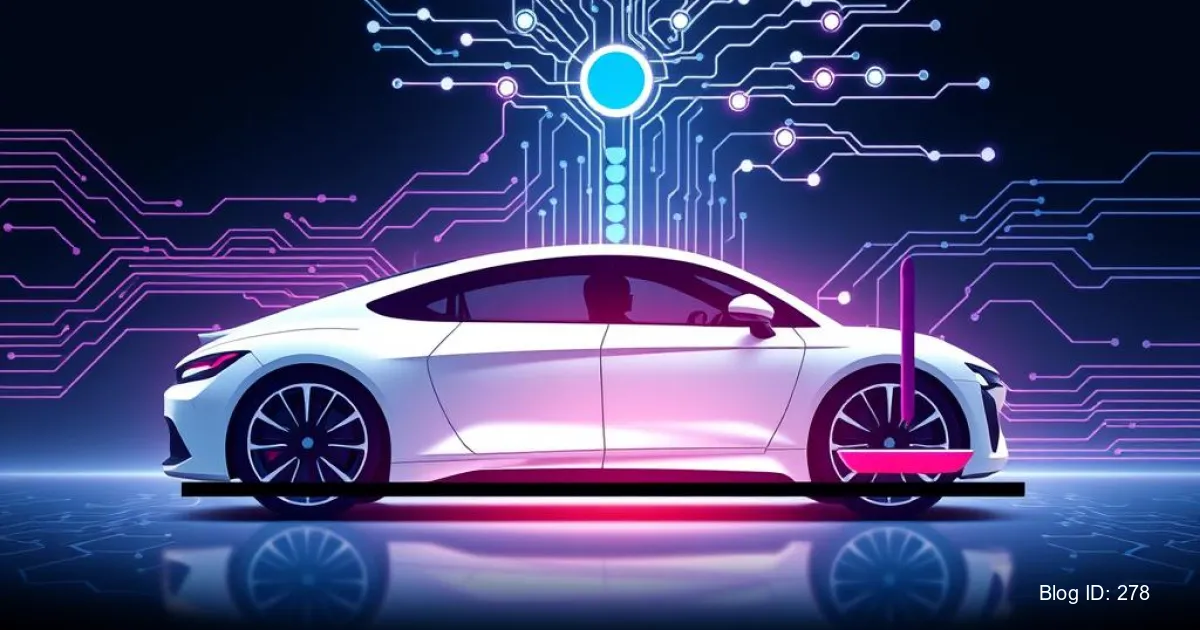
Table of Contents
- What is Computer Vision? The Basics You Need To Know
- How Does It Work?
- Top Computer Vision Applications Shaping Our World
- 1. Security and Surveillance: Smarter, Safer Spaces
- 2. Healthcare: Diagnosing Diseases from Images
- 3. Retail: Shopping That Sees You
- 4. Autonomous Vehicles: Driving with AI Eyes
- 5. Manufacturing: Factories That Fix Themselves
- Pro Tips: Getting Started with Computer Vision and AI
- What Are the Challenges?
- Comparison: Traditional Cameras vs. AI-Powered Computer Vision
- Where’s Computer Vision Going Next?
Computer Vision Applications: The AI-Powered Eyes Seeing the Future
Ever wondered how your phone recognizes faces in selfies or how self-driving cars navigate busy streets? Thanks to computer vision applications, this magic is happening everywhere, every day. Whether you’re a tech enthusiast, a developer, or just curious about how AI is changing the world, this guide will show you exactly how computer vision is transforming the way we see - and interact - with the world around us.
What is Computer Vision? The Basics You Need To Know
Computer vision is essentially teaching machines to “see” and understand images and videos, just like humans do. It combines artificial intelligence (AI) with image and video data processing to interpret, analyze, and make decisions based on visual information. Unlike regular cameras, computer vision systems can detect objects, recognize faces, track motion, and even read text on signs or roads.
For more details, check out The Ultimate Guide to AI Model Deployment Strategies.
How Does It Work?
At its core, computer vision relies on models trained on massive datasets. Deep learning, especially convolutional neural networks (CNNs), powers most modern systems. These models learn patterns and features by scanning thousands (or millions) of labeled images. Once trained, they can perform tasks like identifying a dog in a photo or detecting road signs in real time. It’s like giving a computer a pair of eyes - and a brain to process what it sees. A “scientific sandbox” lets researchers explore the evolution of vision systems | MIT News | Massachusetts Institute of Technology Computer Vision Ai-powered Computer Vision Future
Top Computer Vision Applications Shaping Our World
1. Security and Surveillance: Smarter, Safer Spaces
One of the most common computer vision applications is in security and surveillance. Security cameras now go beyond just recording footage - they can detect suspicious behavior, recognize faces, and even count the number of people in a room. For example, airports use computer vision to monitor crowd density, preventing potential emergencies. Smart homes use it to detect unauthorized people or package theft, sending alerts instantly.
2. Healthcare: Diagnosing Diseases from Images
In the medical field, computer vision is revolutionizing diagnostics. Radiologists use AI-powered tools to analyze X-rays, MRIs, and CT scans for early signs of cancer, tumors, and other diseases. Studies show AI can spot anomalies in eye scans that even experts might miss. This not only speeds up diagnoses but can also reduce errors, potentially saving lives.
3. Retail: Shopping That Sees You
Have you noticed how your phone suggests similar products while shopping online? That’s thanks to computer vision. Retailers use it to track inventory, analyze customer behaviors, and even automate checkout with just a glance. Stores like Amazon Go use computer vision and sensors to let customers "just walk out," with the system automatically charging their accounts based on what they picked up.
You might also like: The US Invaded Venezuela and Captured Nicolás Maduro? ChatGPT Says: ‘Nope - Here’s What’s Really Going On’.
4. Autonomous Vehicles: Driving with AI Eyes
Self-driving cars rely heavily on computer vision to navigate roads. They “see” everything - pedestrians, other cars, traffic lights, and even street signs - interpreting the visual data in real time to make split-second driving decisions. Companies like Tesla and Waymo have already deployed systems that use thousands of cameras and AI models to improve safety and autonomy on the roads.
5. Manufacturing: Factories That Fix Themselves
In factories, computer vision is transforming quality control and automation. Cameras inspect products on the assembly line for defects, ensuring only top-quality items move forward. This not only boosts efficiency but also reduces waste and rework. Some plants even use computer vision for predictive maintenance, spotting equipment problems before they cause breakdowns.
Pro Tips: Getting Started with Computer Vision and AI
If you’re excited to experiment with computer vision applications yourself, here are a few pro tips to get you started:
Related reading: Machine Learning Best Practices: Your Go-To Guide for Building Smarter AI.
- Start with Open-Source Tools: Libraries like OpenCV make it easy to build vision projects on your own PC or laptop.
- Use Ready-Made Datasets: Platforms like Kaggle offer thousands of labeled image datasets for everything from animals to street scenes.
- Focus on Small Projects: Try building a face recognition app or an object detector - these are great ways to learn the basics.
- Stay Updated with AI Trends: The field changes rapidly, so follow blogs and forums like towardsdata science or the official AI subreddits.
What Are the Challenges?
Despite all the progress, computer vision still has hurdles. Issues like data privacy, model bias, and the need for massive computing power can slow things down. Plus, not every problem has a clear visual answer - sometimes context matters more than just what’s seen. But researchers are constantly finding ways to overcome these challenges with better algorithms and responsible AI practices.
Comparison: Traditional Cameras vs. AI-Powered Computer Vision
| Feature | Traditional Cameras | Computer Vision (AI) |
|---|---|---|
| Object Detection | Manual review required | Automated, real-time detection |
| Day/Night Vision | Limited to good lighting | Can work in low-light with infrared |
| Analysis and Insights | Basic recording only | Can analyze patterns, predict trends |
| Automation | Manual intervention needed | Full automation in many industrial tasks |
Where’s Computer Vision Going Next?
The future of computer vision applications is nothing short of astounding. We can expect even more seamless integration in our daily lives - from smart cities monitoring traffic in real time, to advanced medical diagnostics that catch diseases earlier, and even in entertainment with immersive AR experiences.
As AI and computer vision technologies evolve, the line between human intuition and machine perception will blur further, opening up endless possibilities. Ready to see how computer vision can change your project or career? Start exploring the tools, data, and case studies available today - and be part of the next visual revolution.