
Dancer with MND Performs on Stage Again Through Digital Avatar: A Technological Triumph
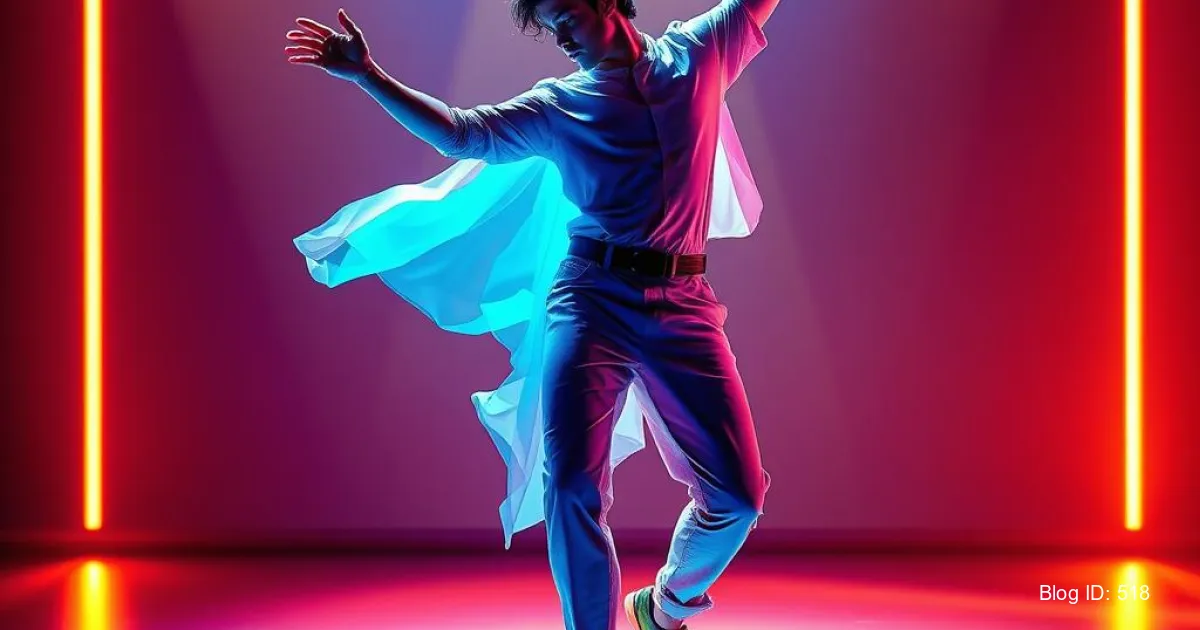
Table of Contents
- How Did This Dancer with MND Perform Again Using a Digital Avatar?
- Breaking Down the Technology
- What Technology Made This Performance Possible?
- Key Technological Components
- Why is This Performance Such a Significant Achievement?
- What are the Future Implications of This Technology?
- Potential Future Applications
- Tips for Aspiring Technologists in Assistive Tech
- Key Tips
- The Future is Now: A New Era of Accessibility
Imagine a world where physical limitations don't define what you can achieve. Thanks to groundbreaking technology, a ballerina with Motor Neurone Disease (MND) has defied expectations, gracing the stage once more through a stunning digital avatar. This incredible feat showcases the power of technology to overcome adversity and unlock human potential. Let's dive into how this became a reality and explore the future possibilities this opens up for others.
How Did This Dancer with MND Perform Again Using a Digital Avatar?
The core of this amazing performance lies in translating brain activity into digital movement. So, how exactly did this dancer with MND perform on stage again through a digital avatar? It all starts with an advanced brain-computer interface (BCI) system, a revolutionary advancement in neurotechnology.
For more details, check out Judge Sides with Anthropic to Temporarily Block the Pentagon's Ban: A Technology Guide.
Electroencephalography (EEG) headsets are used to capture the electrical signals emitted by the brain. These signals, representing the dancer's intended movements, are then translated into commands that control the avatar's actions in real time. It’s like thinking a step and seeing your digital self execute it flawlessly.
Breaking Down the Technology
- EEG Headset: Captures brain activity, focusing on motor signals.
- Brain-Computer Interface (BCI): Translates brainwaves into actionable commands.
- Digital Avatar: A virtual representation of the dancer, mirroring her intended movements on stage.
What Technology Made This Performance Possible?
Several cutting-edge technologies converged to make this extraordinary performance a reality. Specifically, what technology enabled a dancer with MND to perform on stage again through a digital avatar? Let's explore the key components.
Advanced signal processing algorithms filter out noise and accurately interpret the dancer's intentions. High-fidelity motion capture systems ensure the avatar's movements are fluid and lifelike. Real-time rendering engines create a visually stunning and immersive experience for both the performer and the audience.
Key Technological Components
- Advanced Signal Processing: Accurately interprets brain signals amidst noise.
- High-Fidelity Motion Capture: Creates realistic and fluid avatar movements.
- Real-Time Rendering Engines: Deliver a visually stunning and immersive experience.
Why is This Performance Such a Significant Achievement?
This performance transcends mere entertainment; it represents a monumental leap forward in assistive technology. Why is this dancer with MND performing on stage again through digital avatar so important? It offers hope and possibilities for individuals with severe physical limitations.
You might also like: Social Media Bans and Digital Curfews to be Trialled on UK Teenagers: A Comprehensive Guide.
It proves that technology can empower individuals to overcome seemingly insurmountable challenges. It demonstrates the potential for artistic expression and creative fulfillment, regardless of physical constraints. This sets a new precedent for inclusivity and accessibility in the performing arts.
What are the Future Implications of This Technology?
The implications of this technology extend far beyond the stage. What does this mean for the future of assistive tech, now that a dancer with MND can perform on stage again through digital avatar? The possibilities are truly inspiring.
Imagine using similar technology to control prosthetic limbs with unparalleled precision. Consider the potential for individuals with paralysis to regain independence through brain-controlled devices. This opens doors to new forms of communication, creative expression, and overall quality of life for countless people.
Potential Future Applications
- Advanced Prosthetics: Brain-controlled prosthetic limbs for enhanced mobility.
- Assistive Communication Devices: Enabling communication for individuals with speech impairments.
- Remote Collaboration: Allowing individuals with disabilities to participate in remote work and collaborative projects.
Tips for Aspiring Technologists in Assistive Tech
Inspired by this groundbreaking achievement? Here are some tips for those looking to contribute to the field of assistive technology. How can you, too, help a dancer with MND perform on stage again through a digital avatar?
Related reading: Protein Bars: The Gluten-Free, Whole-Foods, Fiber-Focused Guide (2026 Edition).
Focus on interdisciplinary collaboration, bringing together expertise from neuroscience, computer science, and engineering. Prioritize user-centered design, ensuring that technology meets the specific needs and preferences of individuals with disabilities. Embrace continuous learning and innovation, staying abreast of the latest advancements in the field.
Key Tips
- Embrace Interdisciplinary Collaboration: Combine knowledge from various fields.
- Prioritize User-Centered Design: Focus on the needs of the end-users.
- Embrace Continuous Learning: Stay updated with the latest technological advancements.
The Future is Now: A New Era of Accessibility
The dancer's performance serves as a powerful reminder of what's possible when human ingenuity meets technological innovation. The success of this dancer with MND performing on stage again through a digital avatar signals a new era of accessibility and inclusivity.
By continuing to push the boundaries of assistive technology, we can create a world where everyone has the opportunity to pursue their dreams and live life to the fullest. The stage is set for a future where technology empowers and uplifts, transforming limitations into limitless possibilities.